
Women focused cash transfer schemes: a political game changer or a burden on state finances?
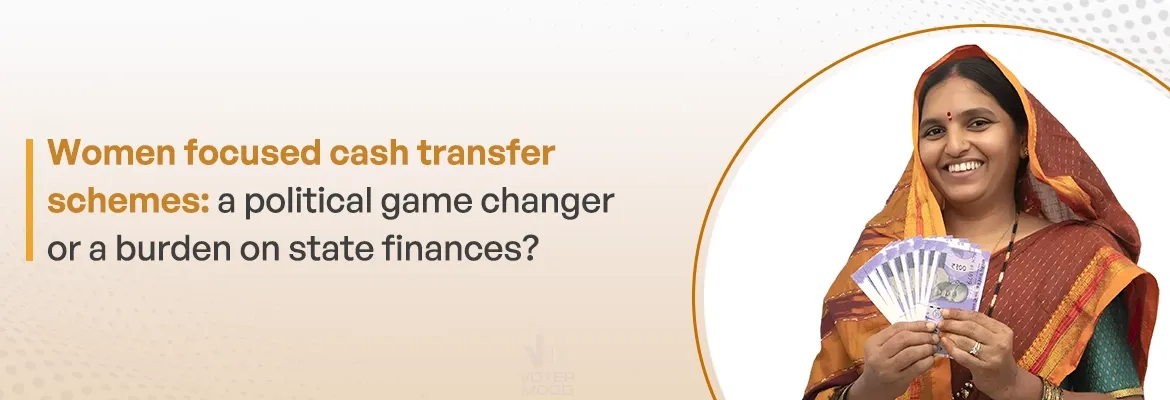
Women Voters Reshaping Electoral Outcomes
In several recent state elections, women voters have emerged as the decisive force, overturning traditional political predictions and reshaping electoral outcomes. A major factor behind this shift has been the rise of women-focused Direct Benefit Transfer (DBT) schemes monthly cash support directly credited into women's bank accounts. These schemes have become powerful political tools, successfully converting welfare into electoral dividends.
Whether it is Karnataka’s Gruha Lakshmi, Odisha’s Subhadra, or similar programmes in Madhya Pradesh, Chhattisgarh, Delhi, and Rajasthan, the political impact has been unmistakable: women voters are rewarding governments that put money in their hands.
However, the question that now looms large is are these welfare initiatives empowering women sustainably, or are they pushing states into deeper financial stress?
A Growing Fiscal Burden on States
Data suggests that the financial implications are significant. According to a PRS Legislative Research report, by 2025–26, around twelve states are expected to spend approximately ₹1.68 lakh crore on direct cash transfer schemes targeting women. This figure reflects a rapidly expanding welfare architecture that, while politically rewarding, is beginning to strain state budgets.
The Reserve Bank of India (RBI) has also expressed concern over the rising trend of “freebies,” warning that unchecked expenditure on such schemes could weaken fiscal stability, reduce capital investment, and limit the states’ ability to respond to economic shocks.
For states already grappling with debt, shrinking revenue sources, and increased expenditure commitments, these schemes represent a long-term challenge. Many of them require continuous annual funding without creating a corresponding income source for the government.
Between Welfare and Dependency: The Policy Dilemma
Despite fiscal concerns, many economists acknowledge the positive impact these schemes have had on the lives of women particularly those from low-income households. More than 15 crore women are estimated to be benefiting from such schemes across India. For many, the monthly DBT amount, though modest, offers a sense of dignity, financial autonomy, and bargaining power within the household.
Supporters argue that these schemes boost local consumption, improve health and education outcomes, and strengthen women’s participation in the workforce. Critics, however, caution that if not paired with employment, education, and skilling programmes, cash transfers can create long-term dependence on the state.
Also read: Fading faith in exit polls: Why some nations have Banned them ?
The Road Ahead: Balancing Politics and Prudence
As elections become increasingly shaped by women voters, political parties are unlikely to step back from introducing or expanding such schemes. The future challenge for policymakers will be achieving a delicate balance empowering women while ensuring fiscal sustainability.
This may require rethinking welfare architecture:
linking cash transfers to skill development,
improving targeting mechanisms,
boosting state revenues, and
ensuring that welfare does not overshadow investment in infrastructure, education, and healthcare.
Women-centric DBT schemes have undoubtedly become a political game changer. But unless accompanied by long-term economic planning, they risk becoming a financial tightrope for states already under strain.

VoterMood is a platform for democratic engagement. Information on this platform is meant for public awareness and participation. Users are encouraged to engage responsibly and respect democratic principles.

2026 © VoterMood - Powered by  Zentek Infosoft.